Overview
Wholechain is a supply-chain traceability platform that helps companies track products from origin to shelf with accuracy and transparency. By connecting data across suppliers, producers, and retailers, it gives businesses—and consumers—confidence in where their products come from.
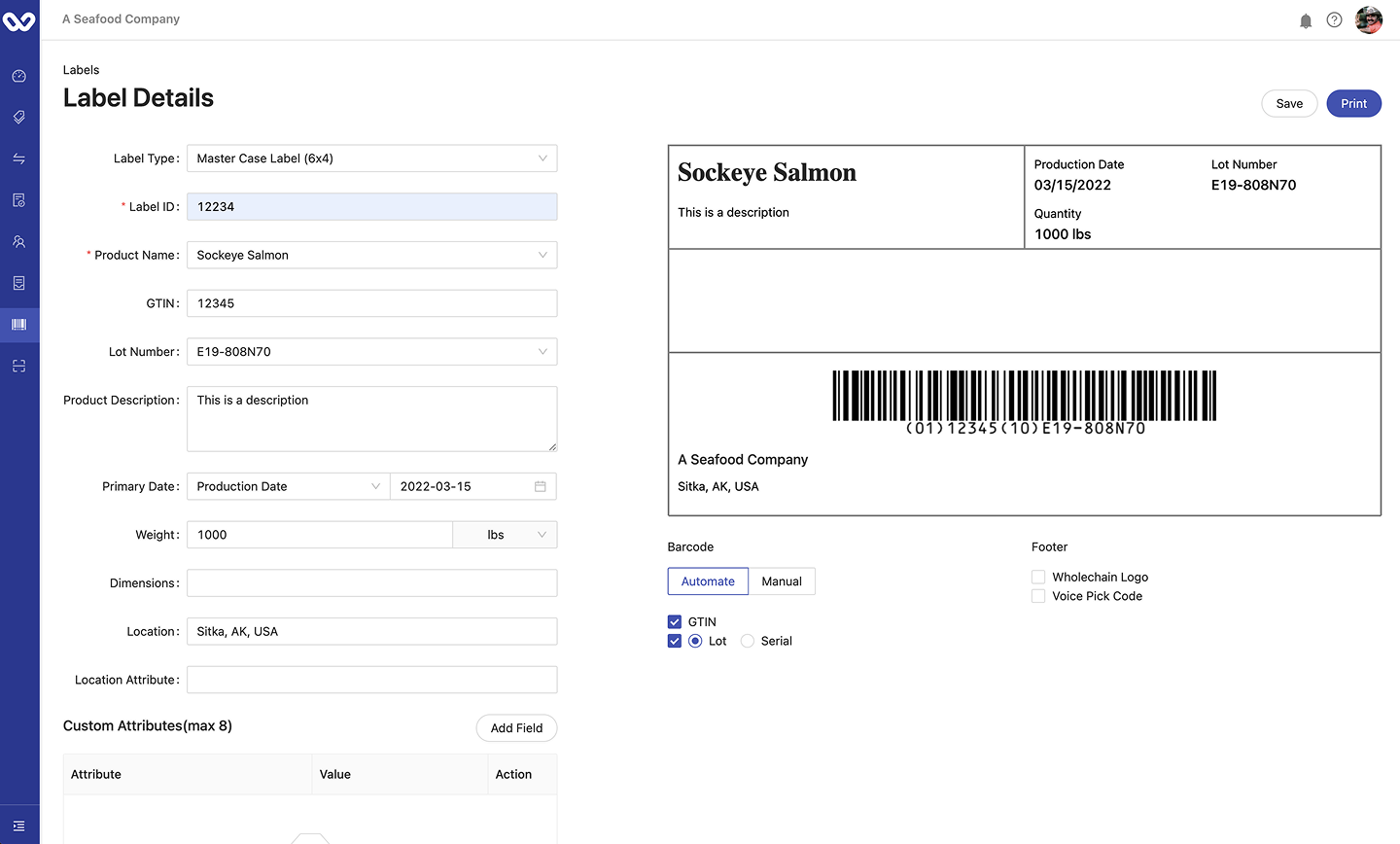
When I joined Wholechain in early 2022, the product was functional but lacked visual consistency, structure, and documentation. There was no design system or standardized process in place. As the only designer on a growing team, my goal was to redesign the application, establish a unified design foundation, and help shape how design and development worked together.
ROLE
Lead UX & Product Designer
TEAM
Development team, CEO, Enterprise & Sales team
FOCUS
Product redesign, design systems, feature development, and UX process refinement
TOOLS
Figma, Ant Design, HubSpot, Miro, Stripe, HelpScout, SendGrid
Redesigning the Wholechain Platform
CHALLENGE
Create a clear, scalable, and intuitive application experience to support Wholechain’s expanding user base and evolving business goals.
ROLE
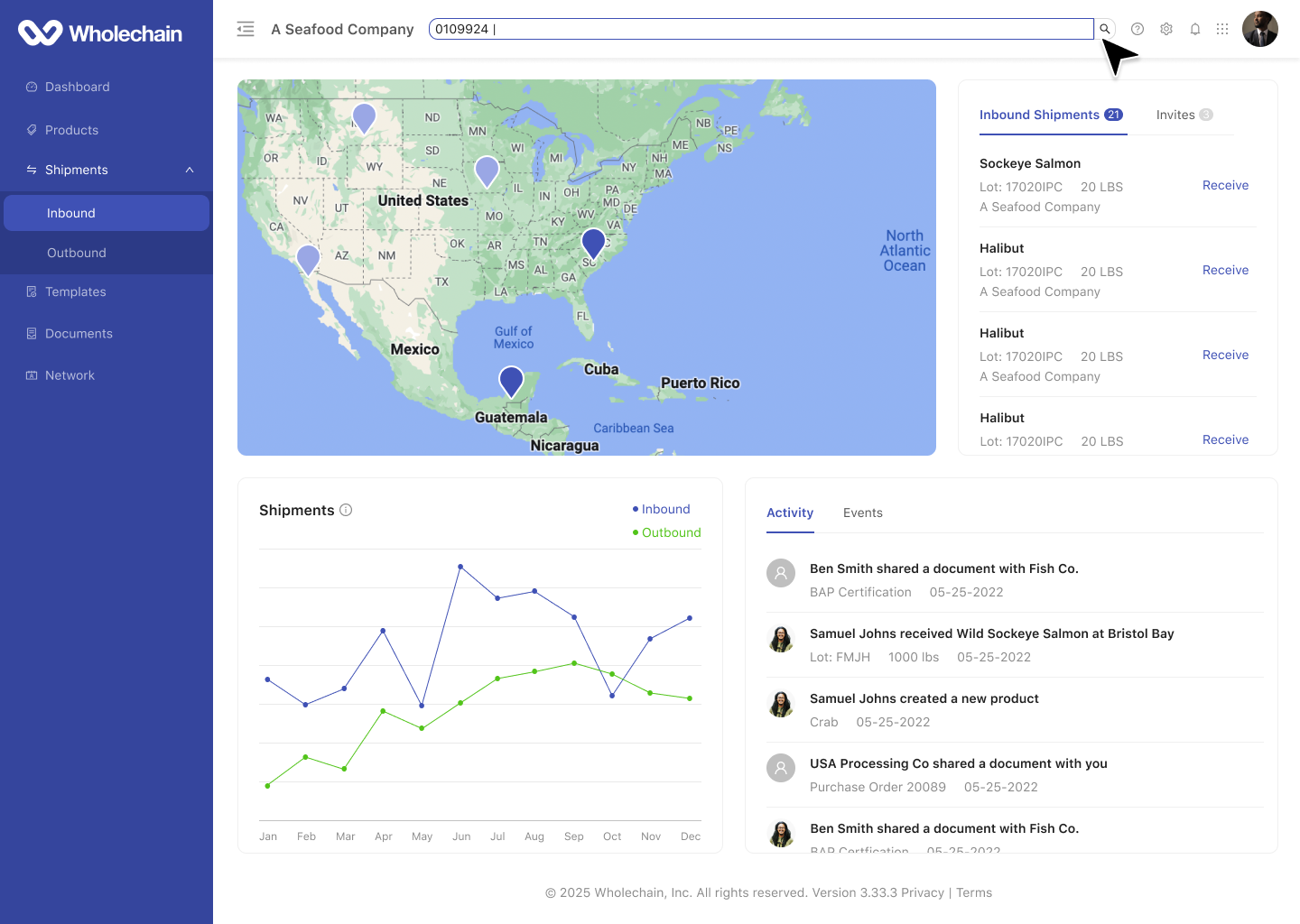
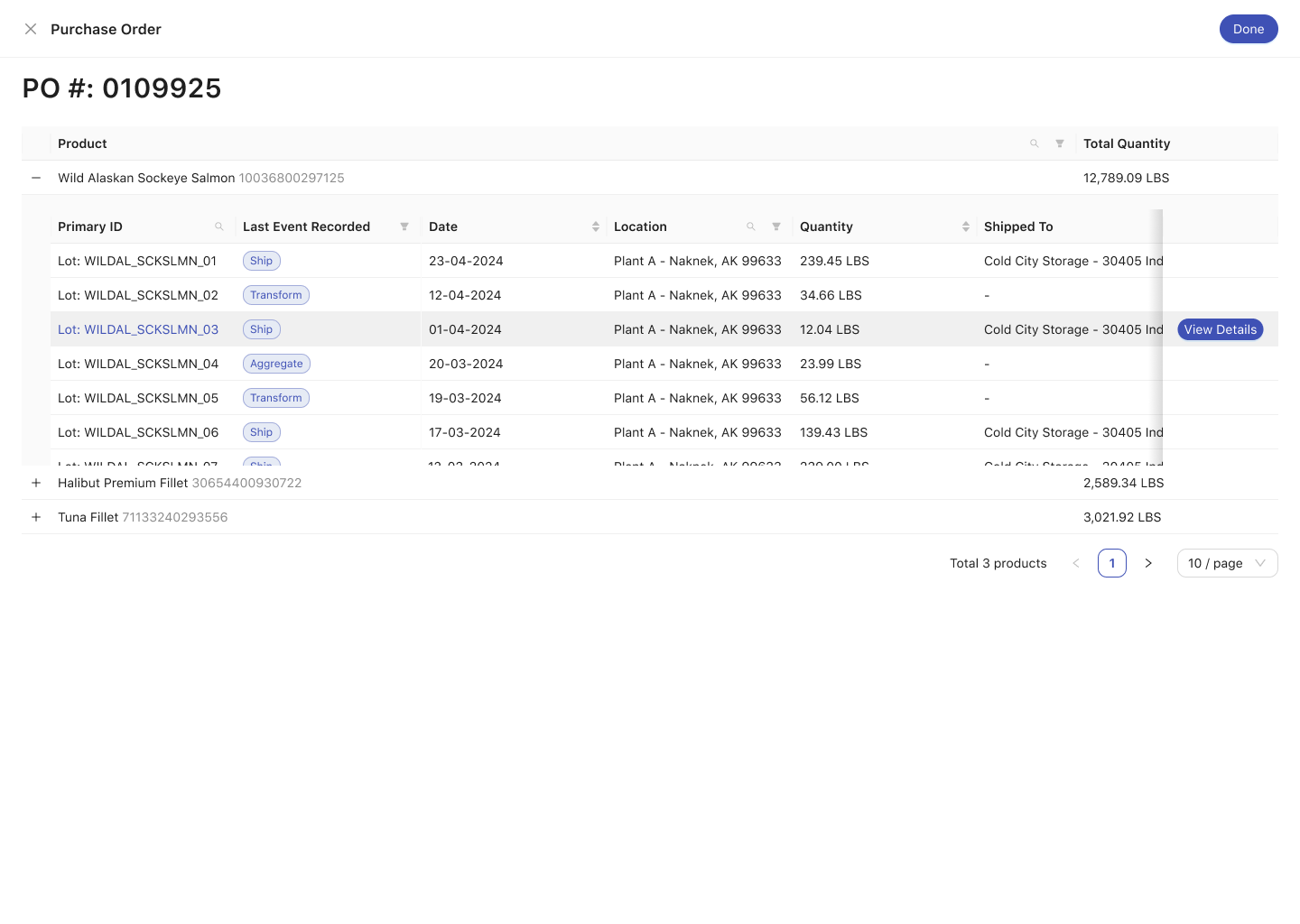
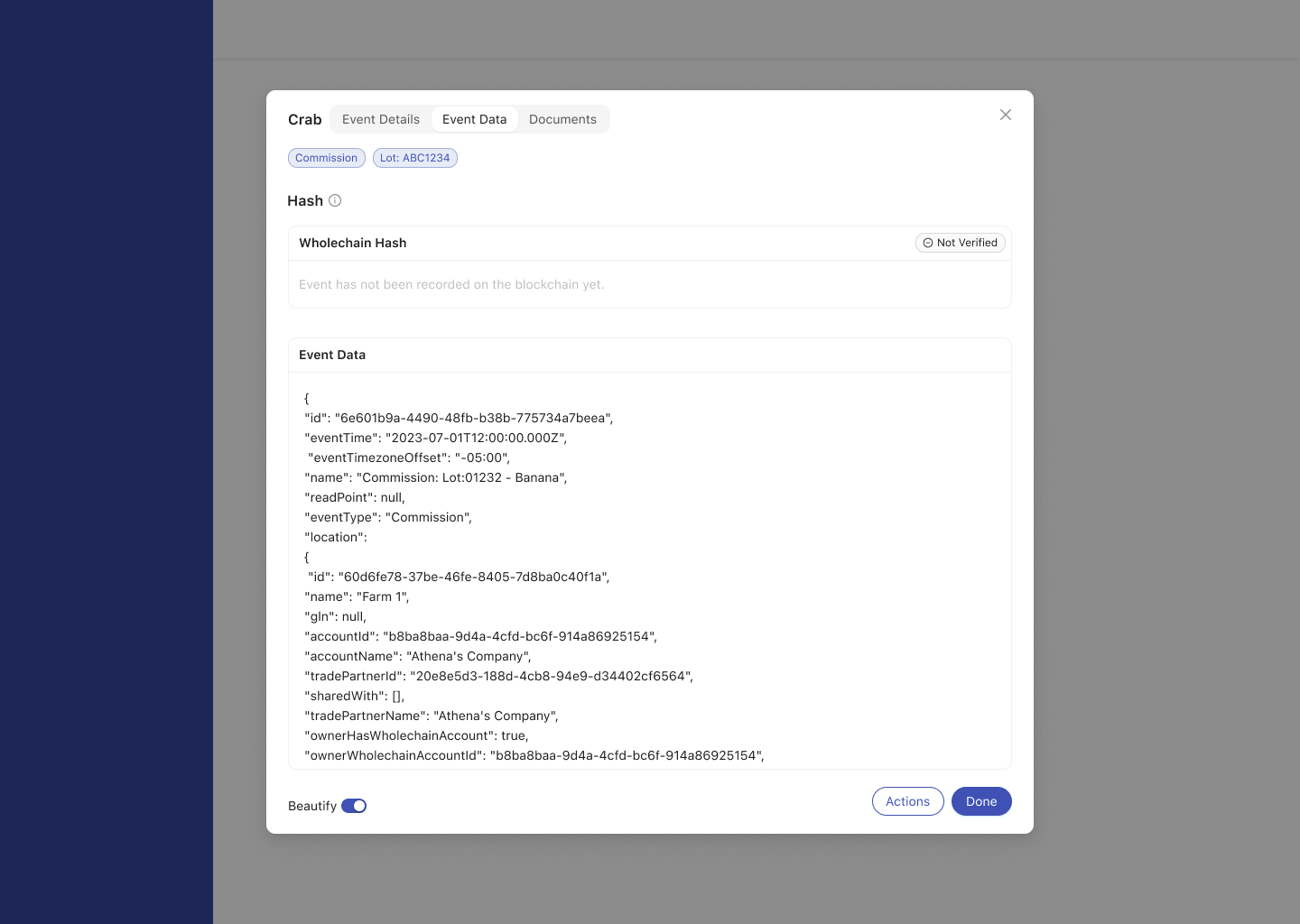
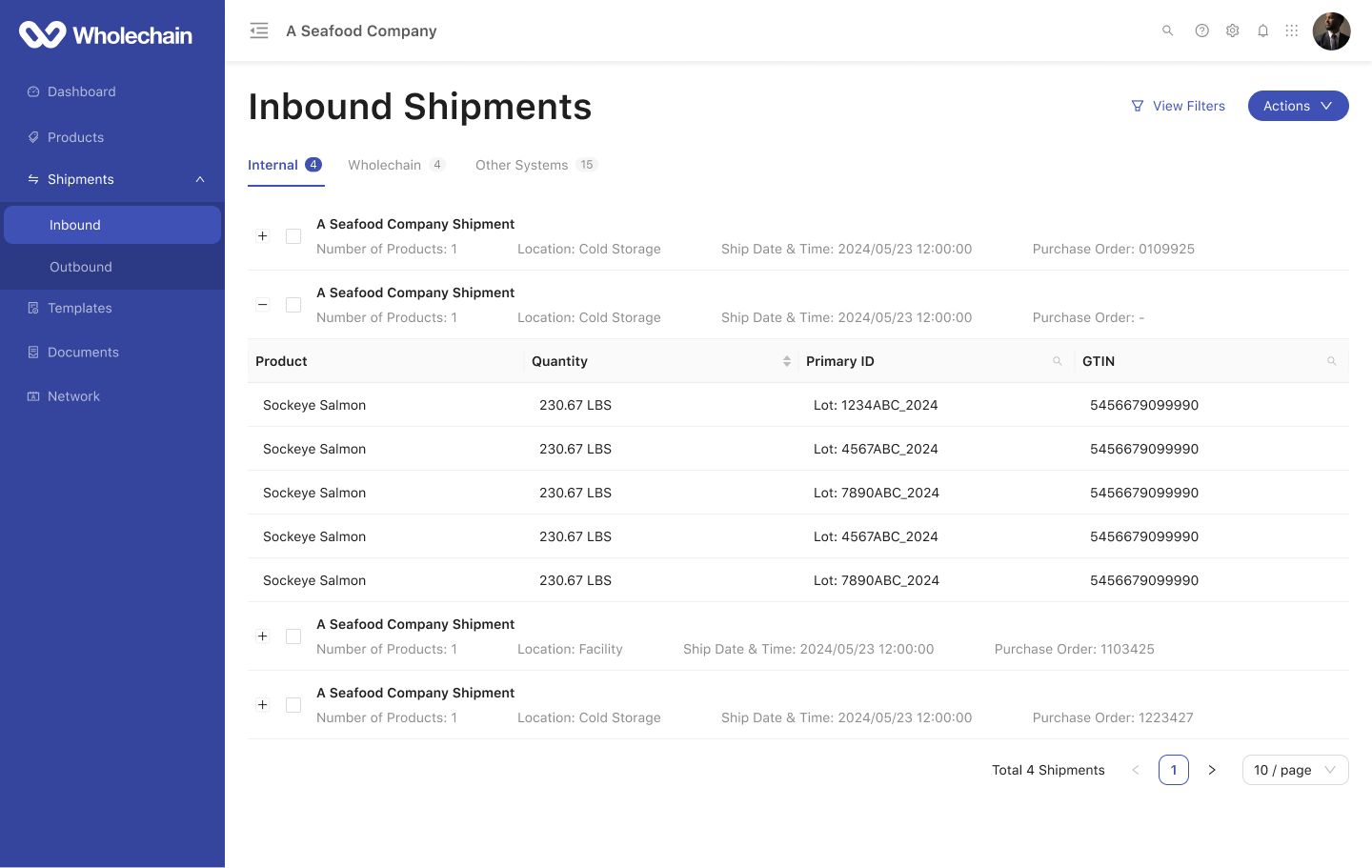
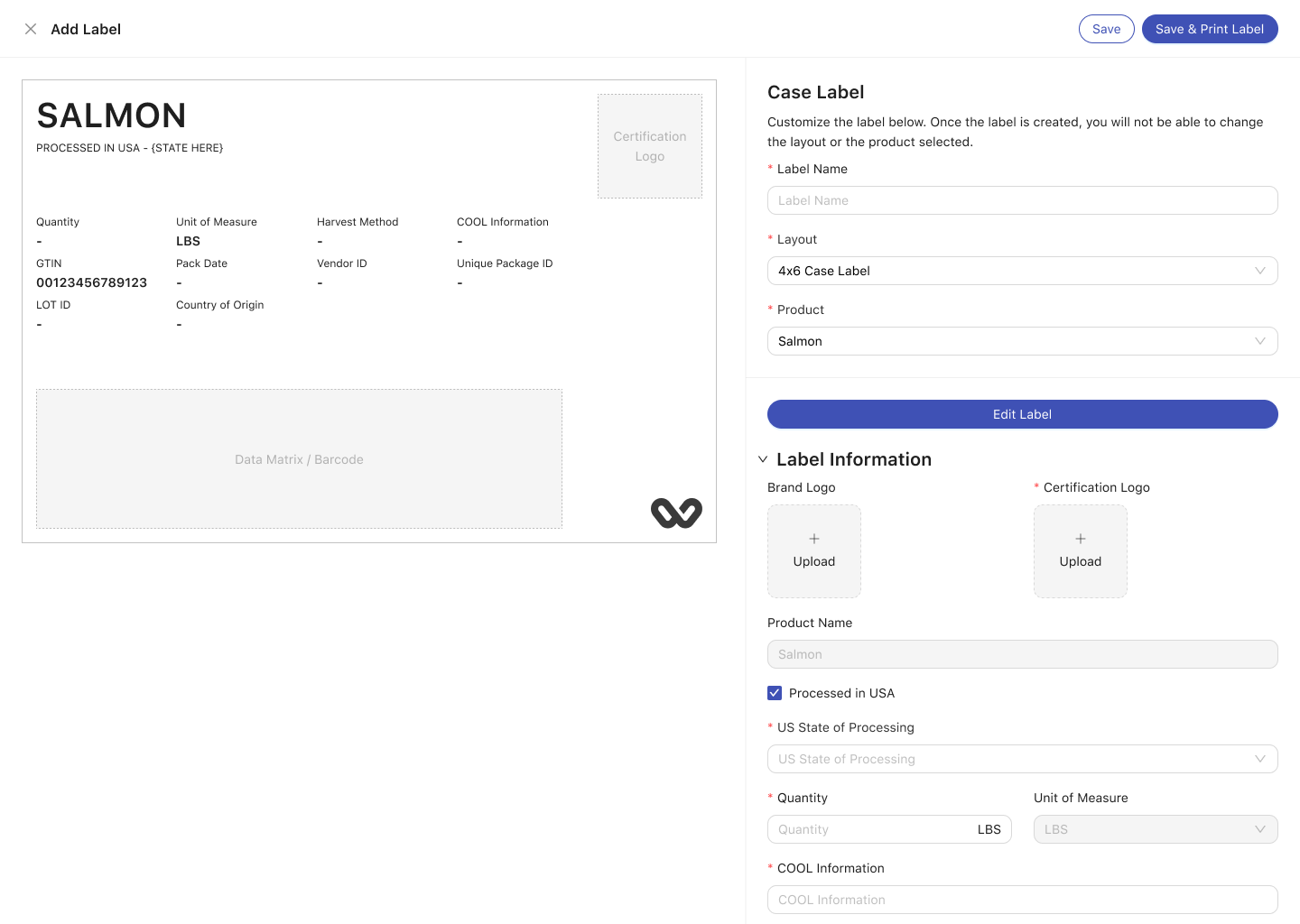
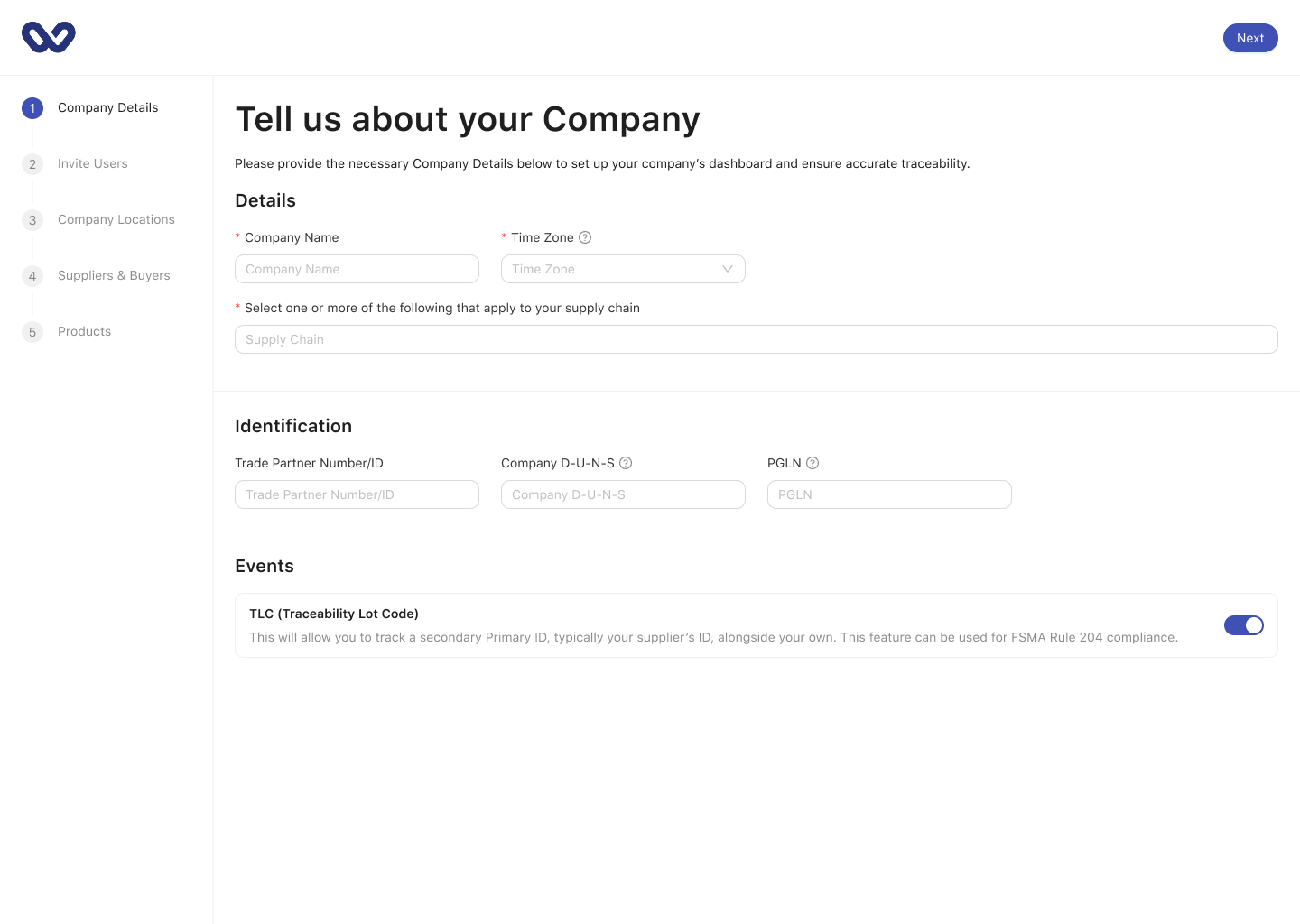
I led the end-to-end redesign of the Wholechain application — from UX wireframes to high-fidelity design and developer handoff. I worked closely with the team to translate strategic direction into practical, user-centered interfaces, while collaborating with developers to ensure smooth implementation.
PROCESS
Conducted UX audits & identified core usability issues within the app
Designed clean, accessible interfaces aligned with our brand
Partnered with devs to validate feasibility and ensure design fidelity
Rebuilt information architecture and navigation
Created prototypes and refined flows through feedback loops
OUTCOME
The redesigned app launched with overwhelmingly positive feedback from internal stakeholders and users. It’s now praised for being “intuitive, clean, and easy to use” — a direct contrast to the original version.
Old Application
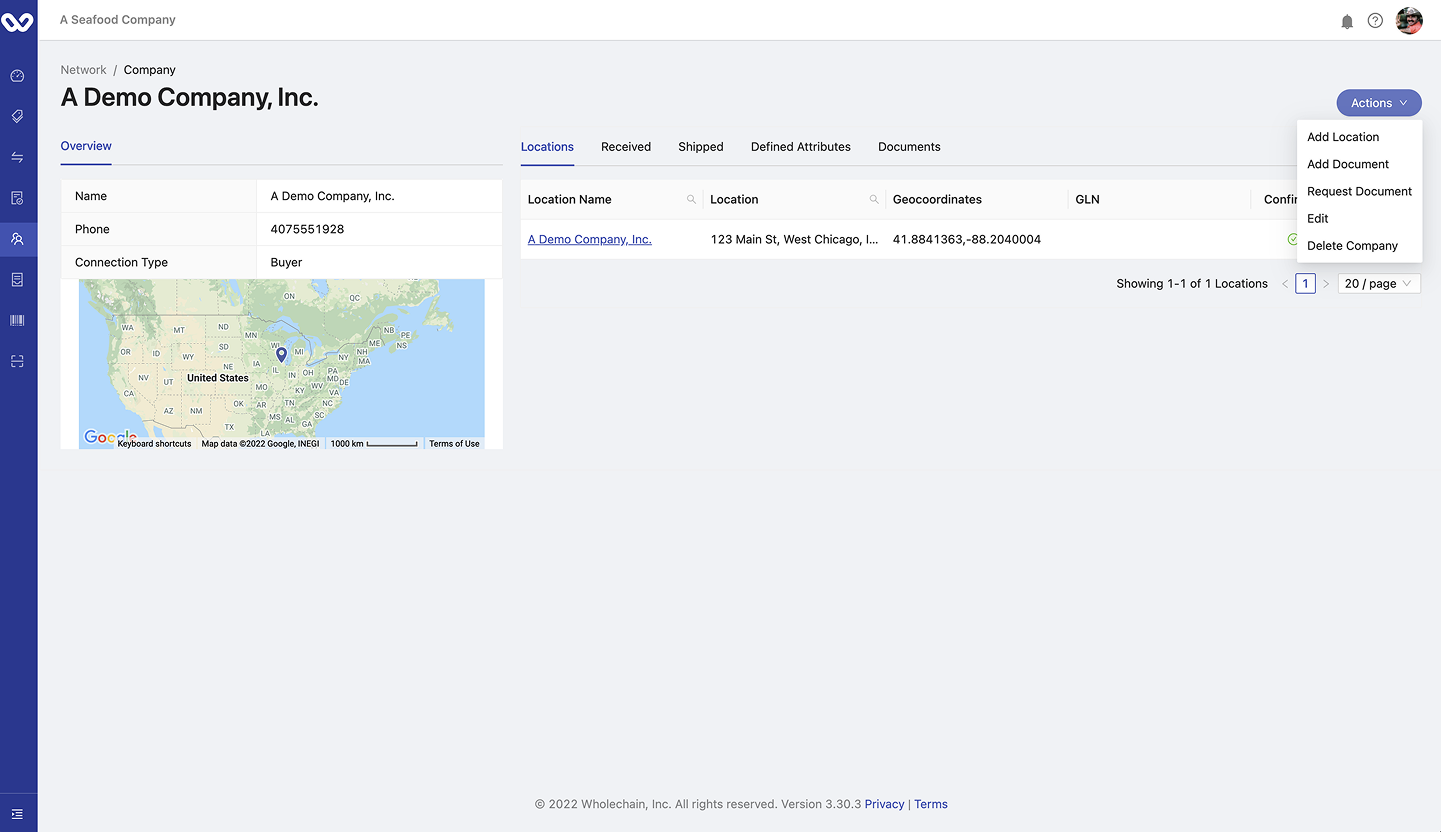
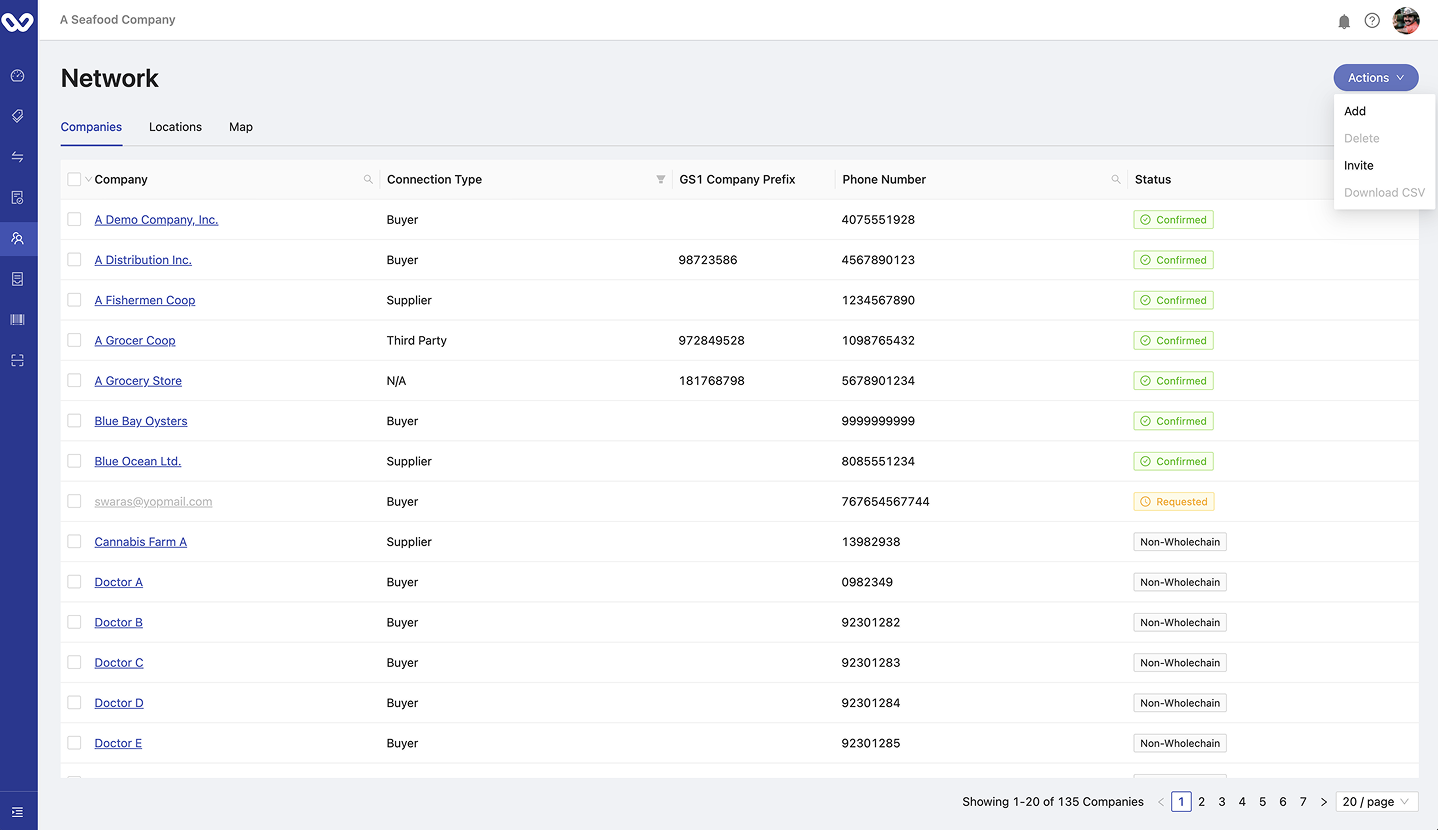
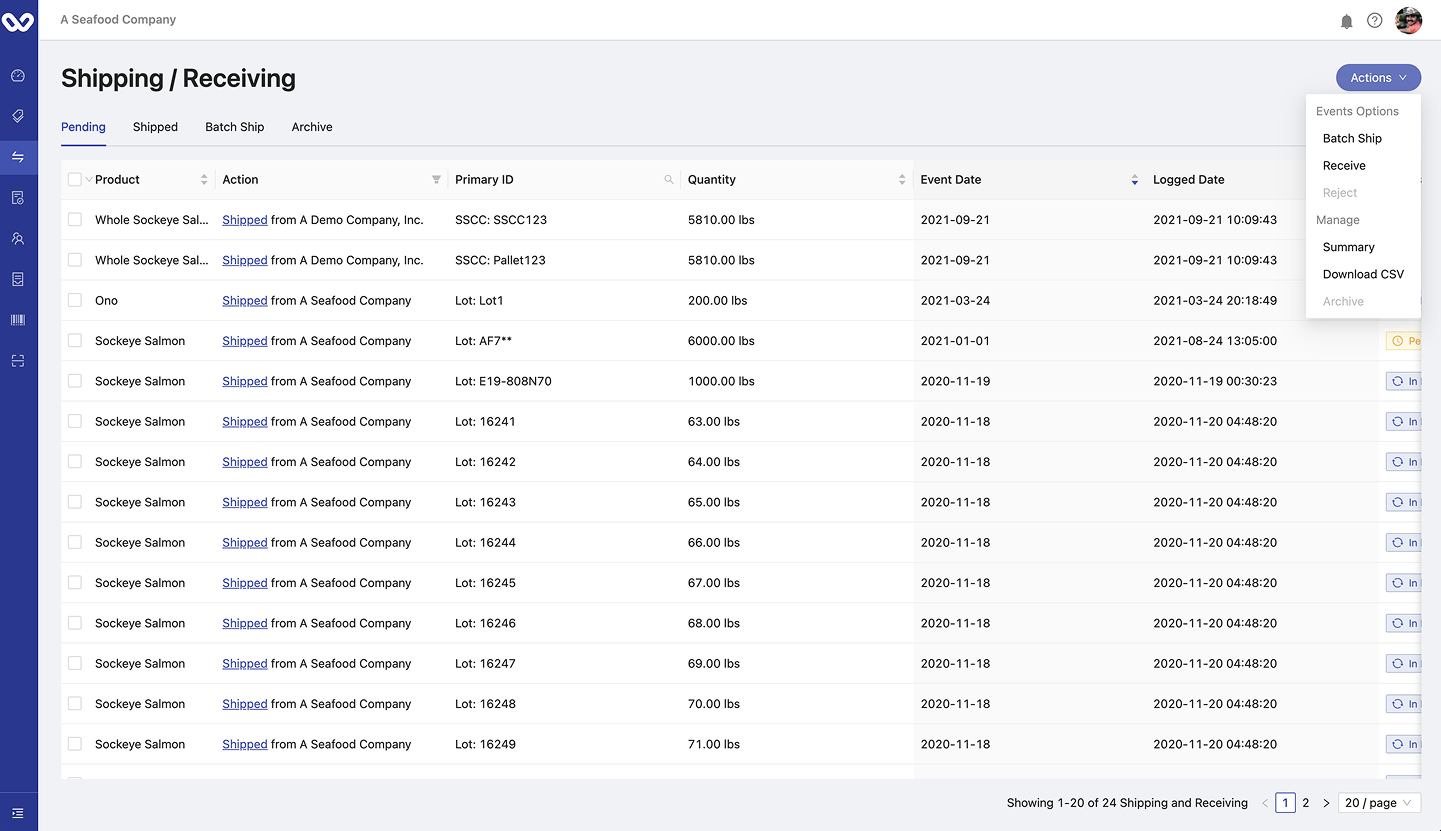
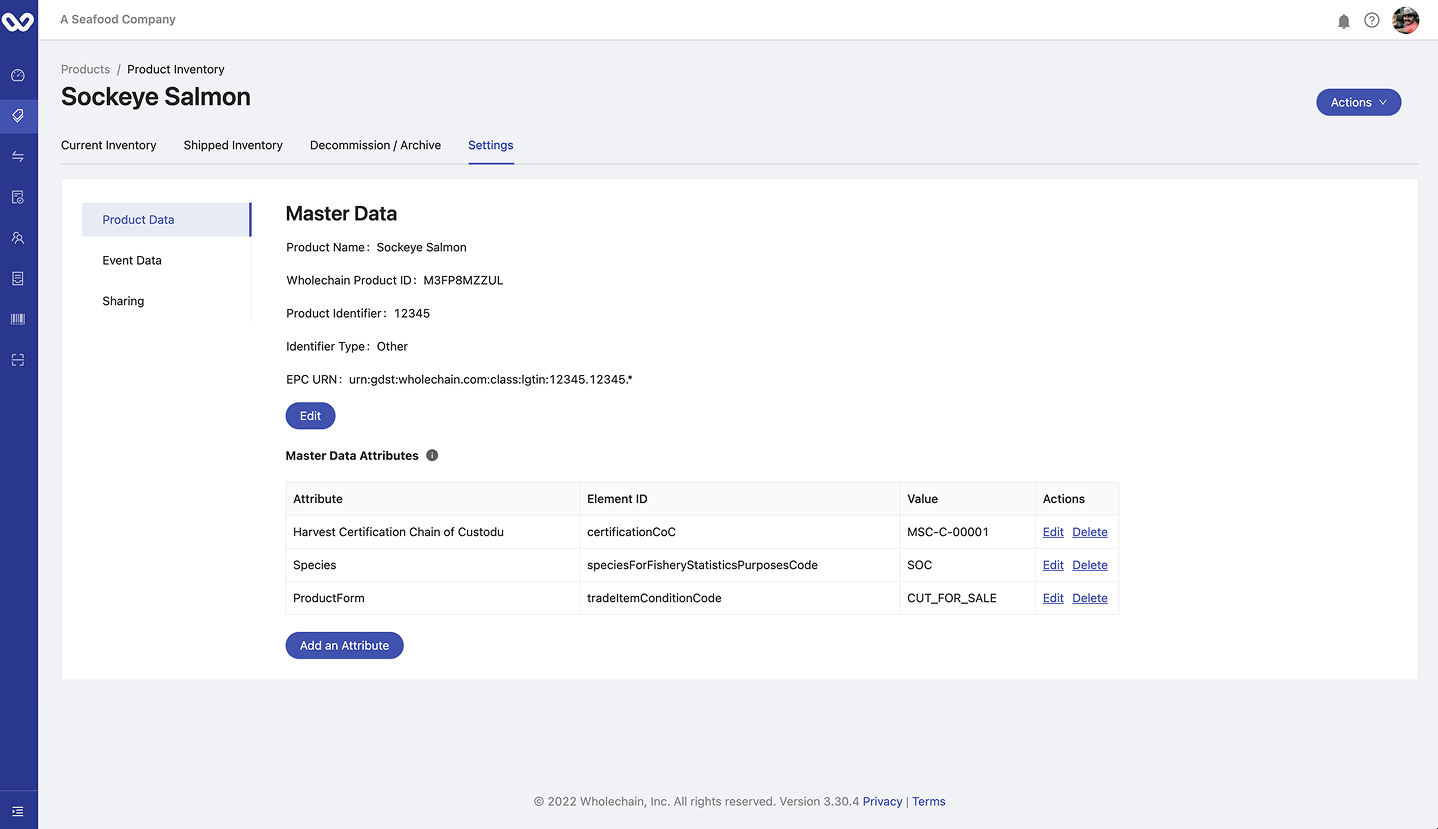
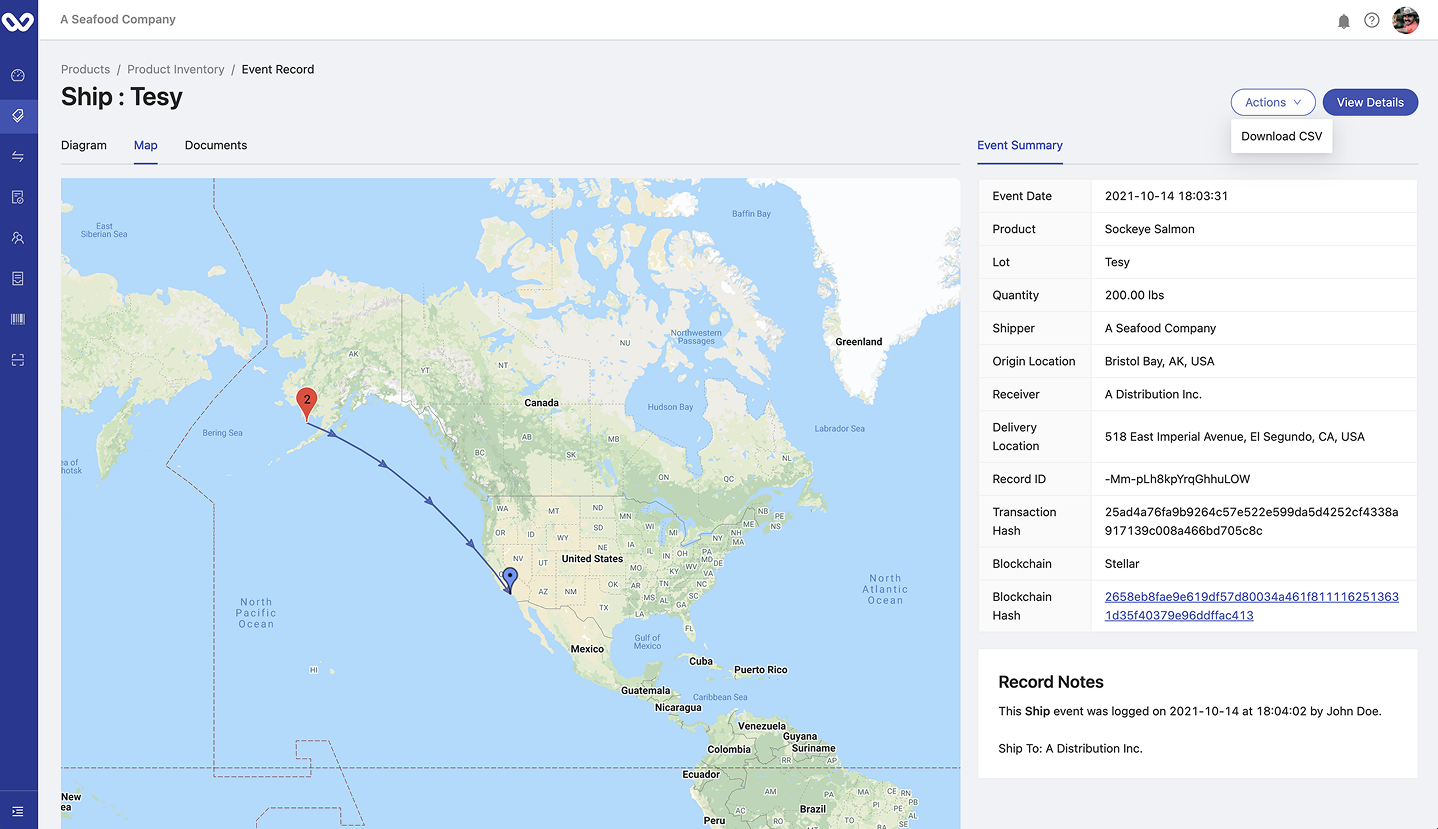
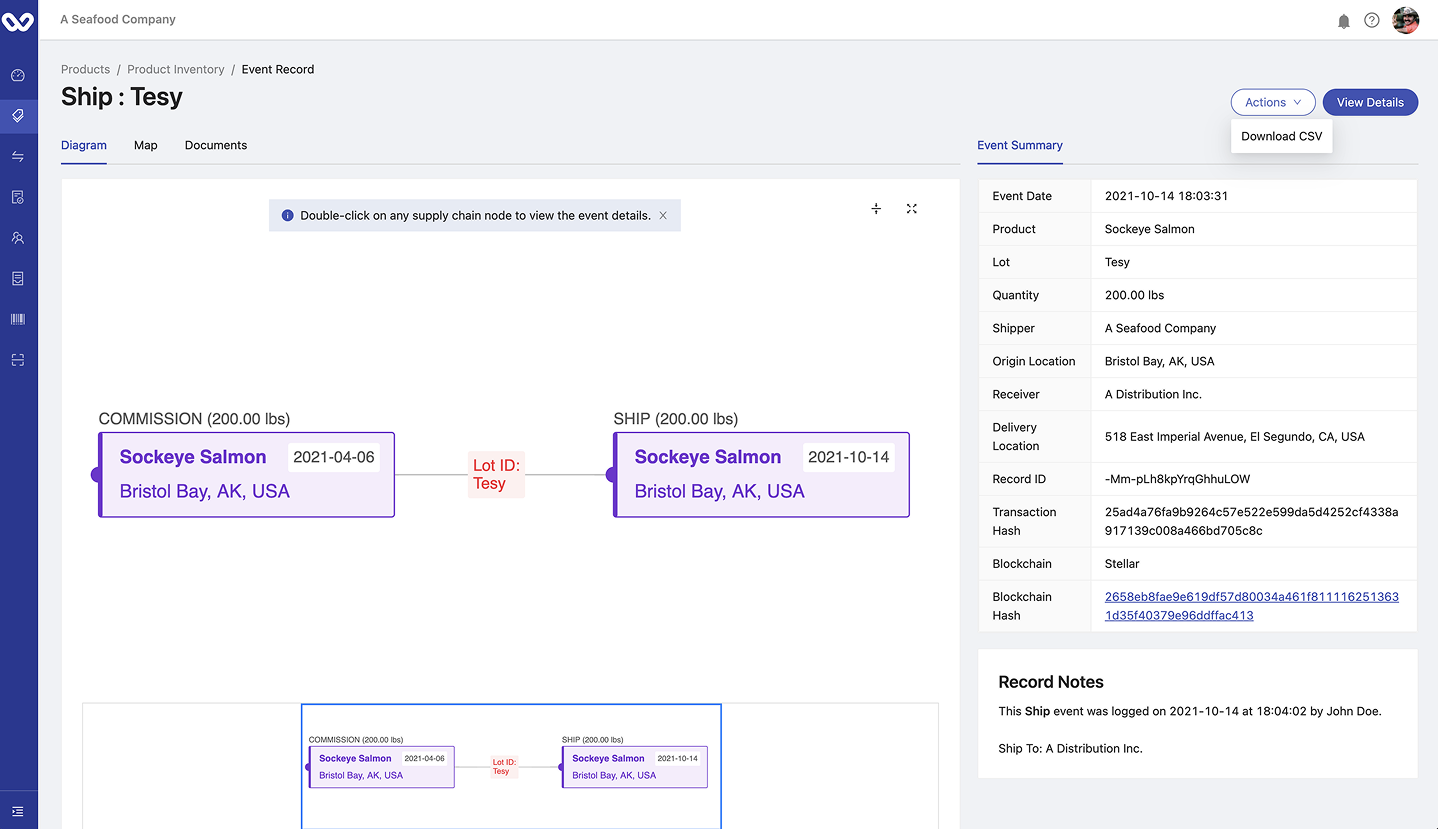
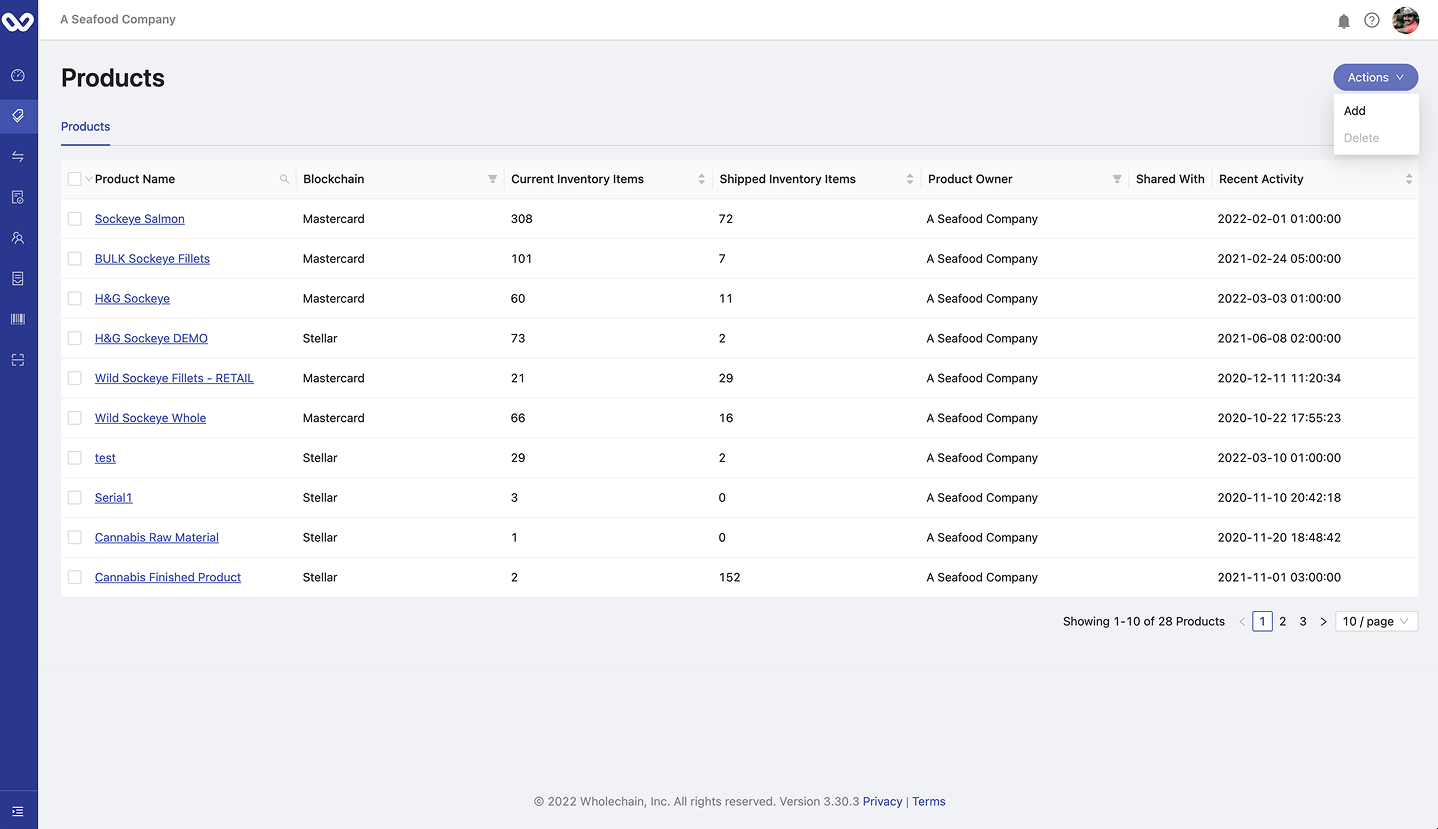
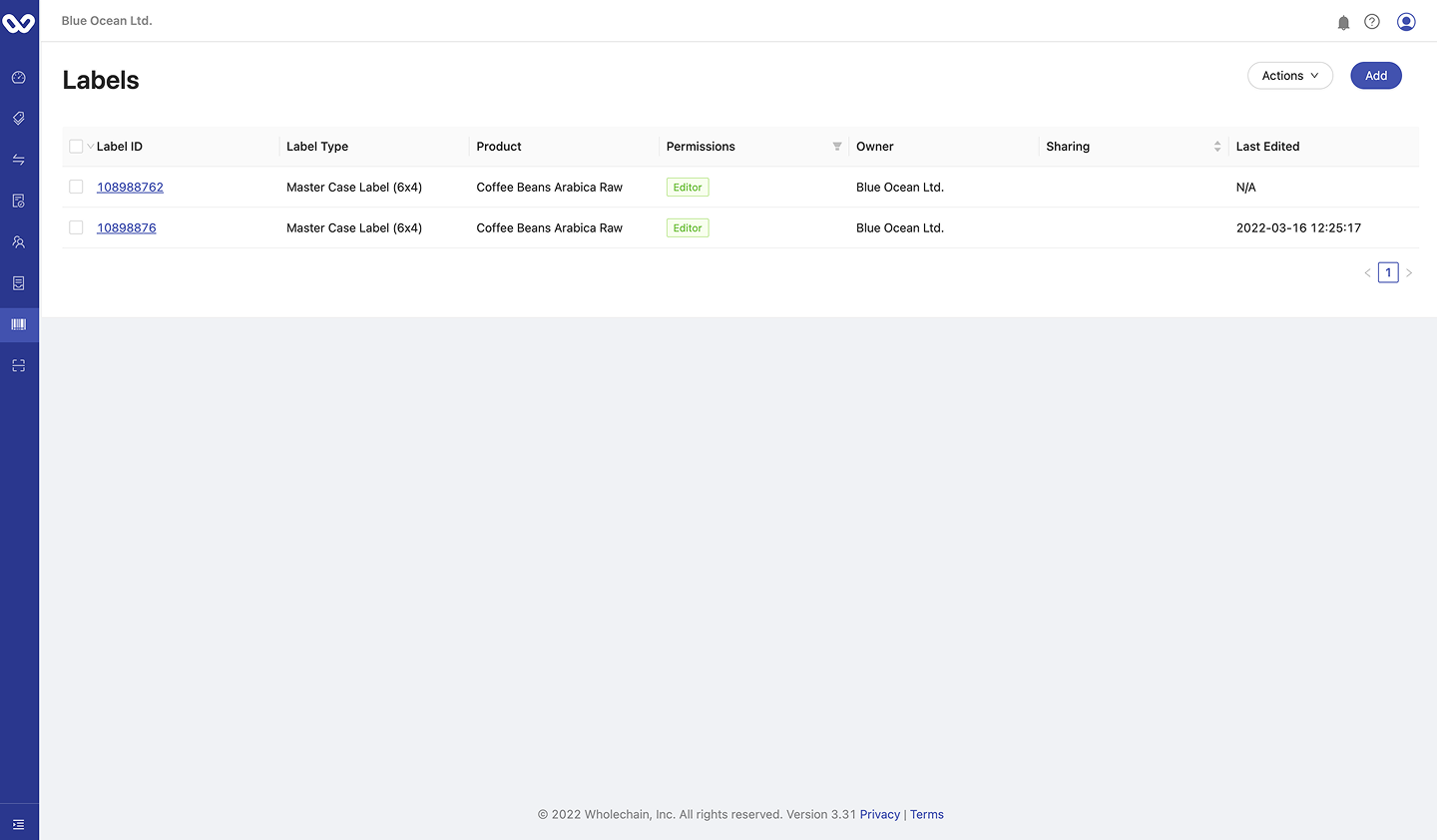
New Application
Establishing the Wholechain Design System
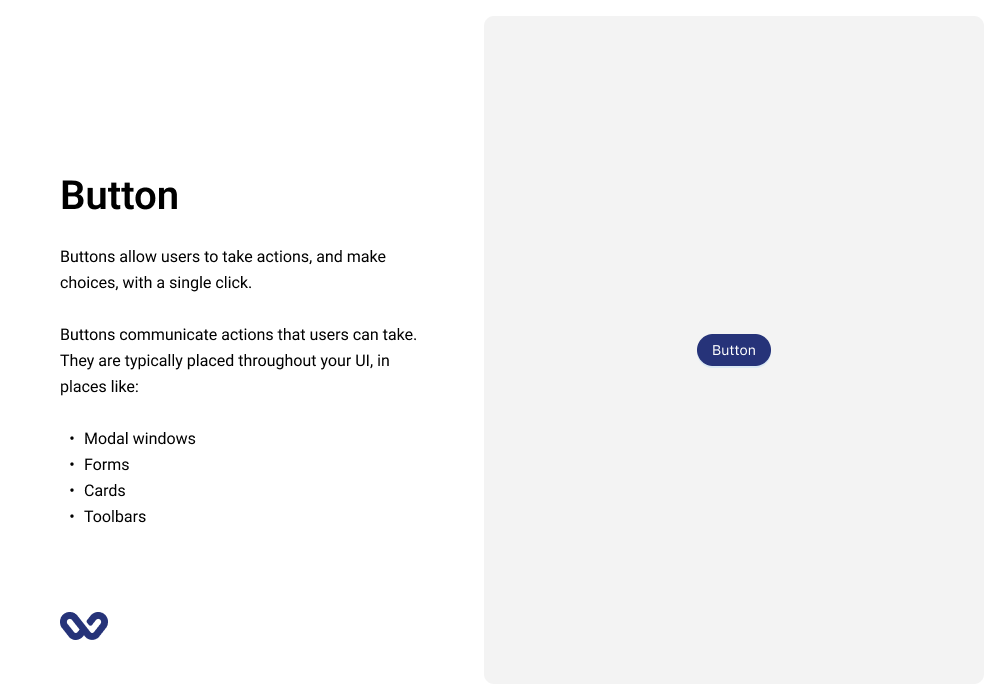
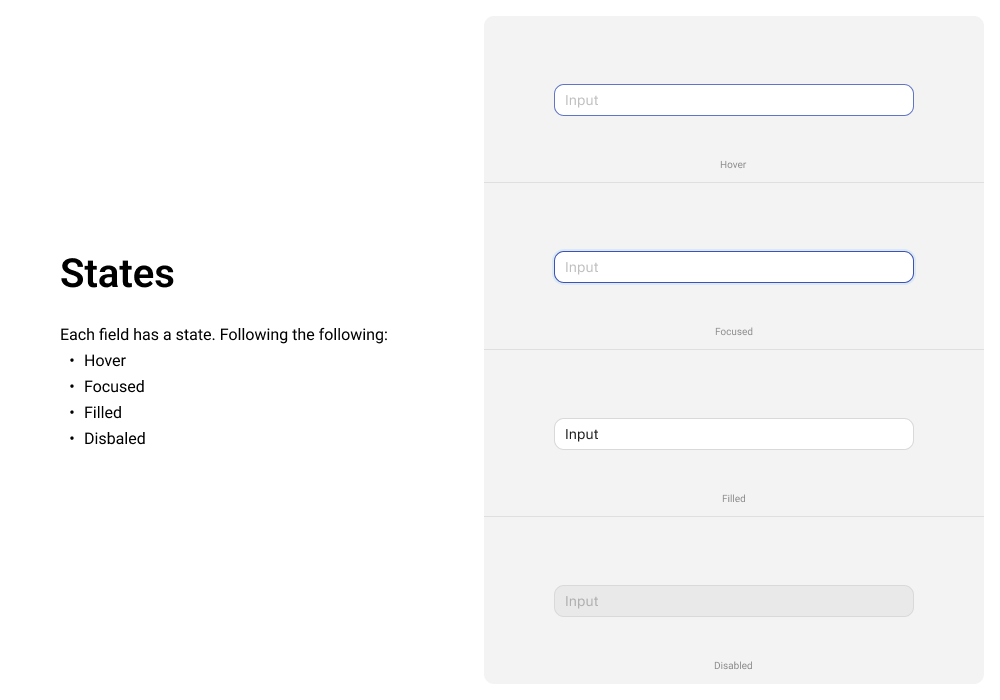
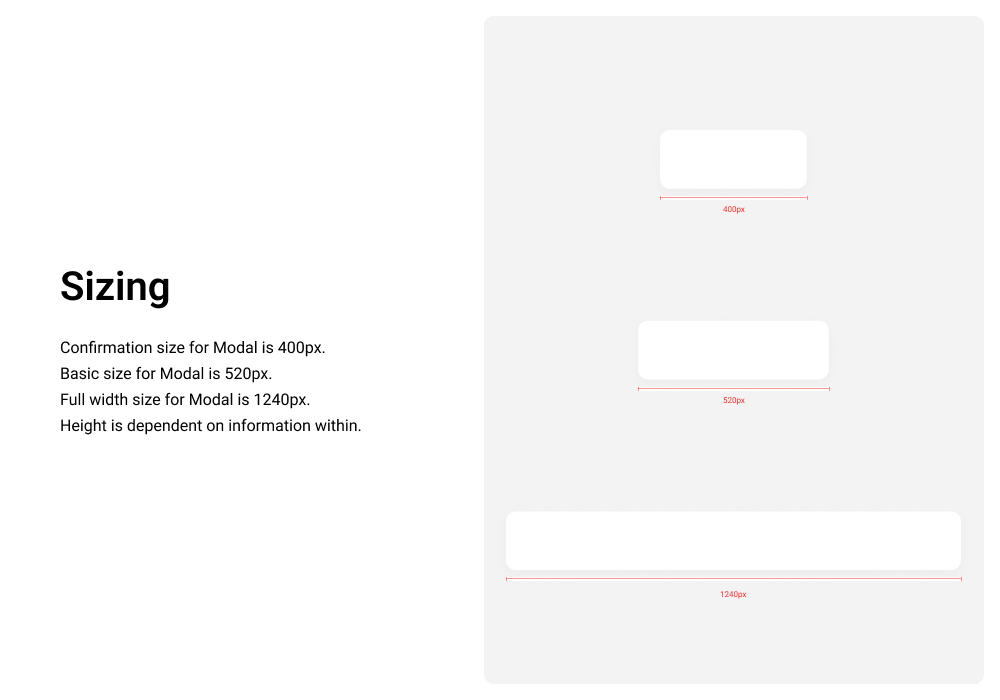
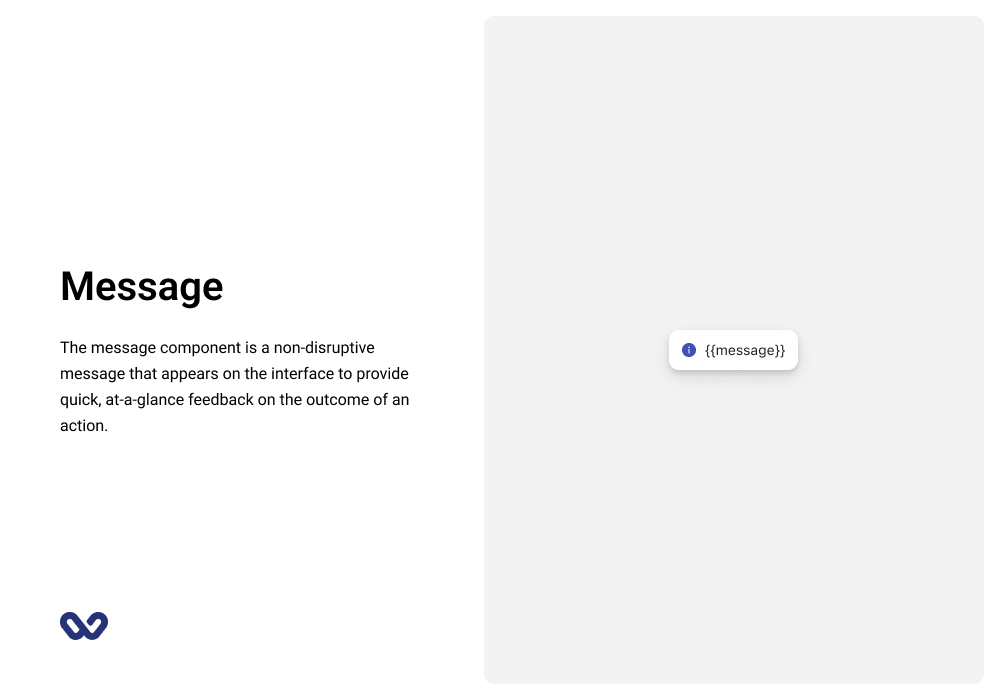
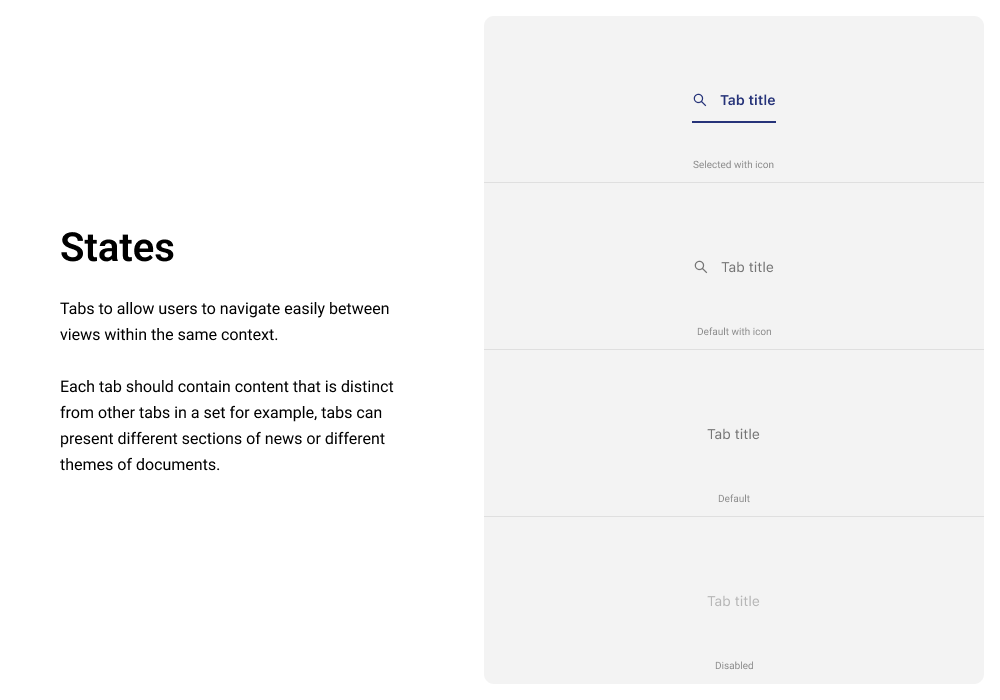
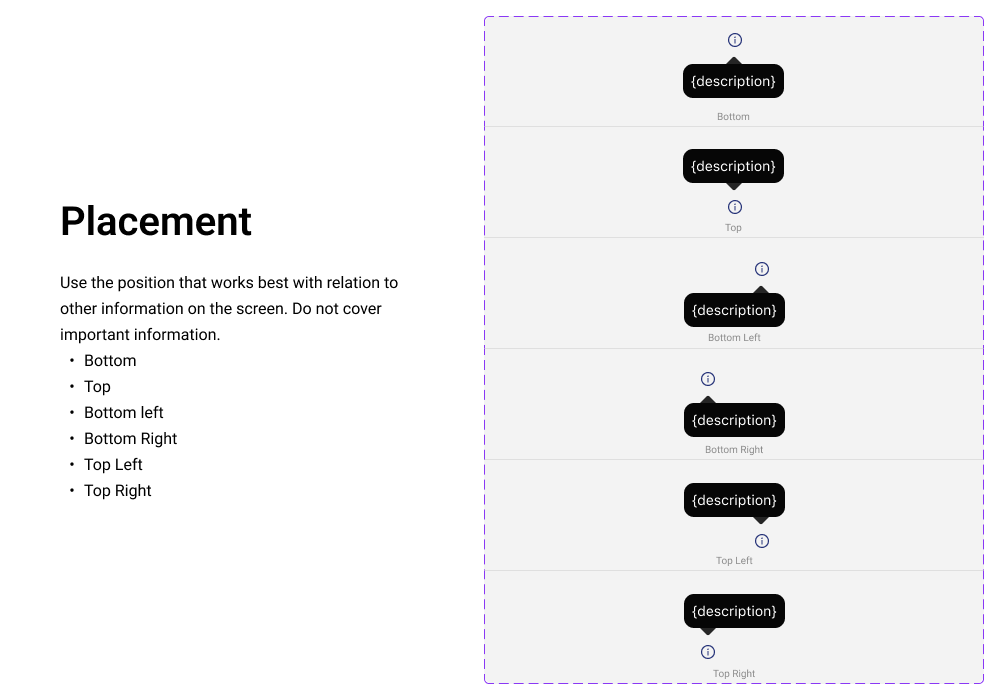
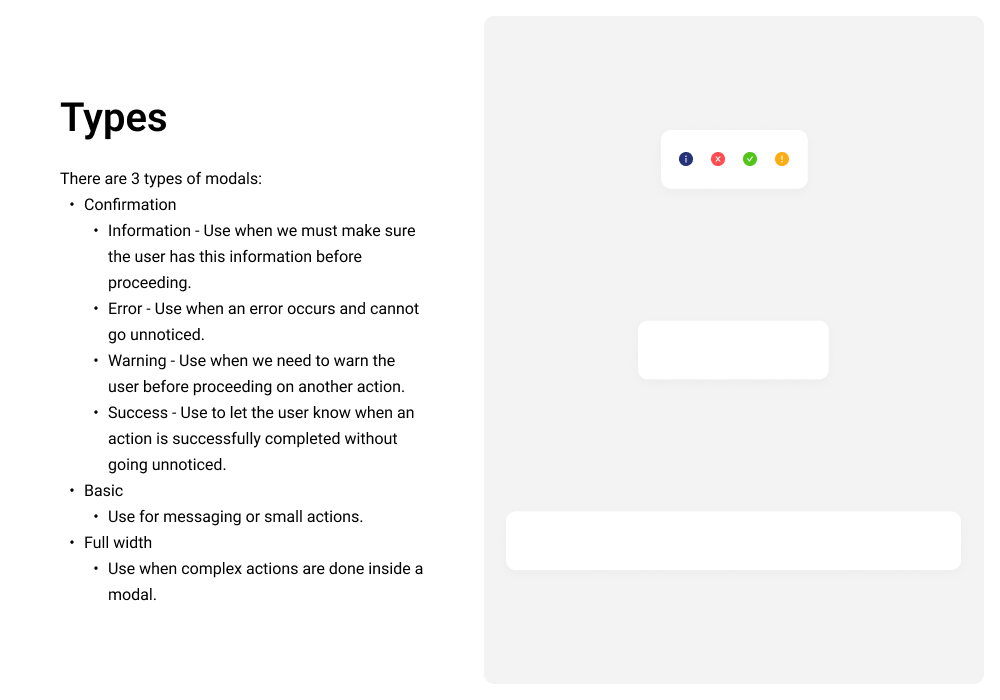
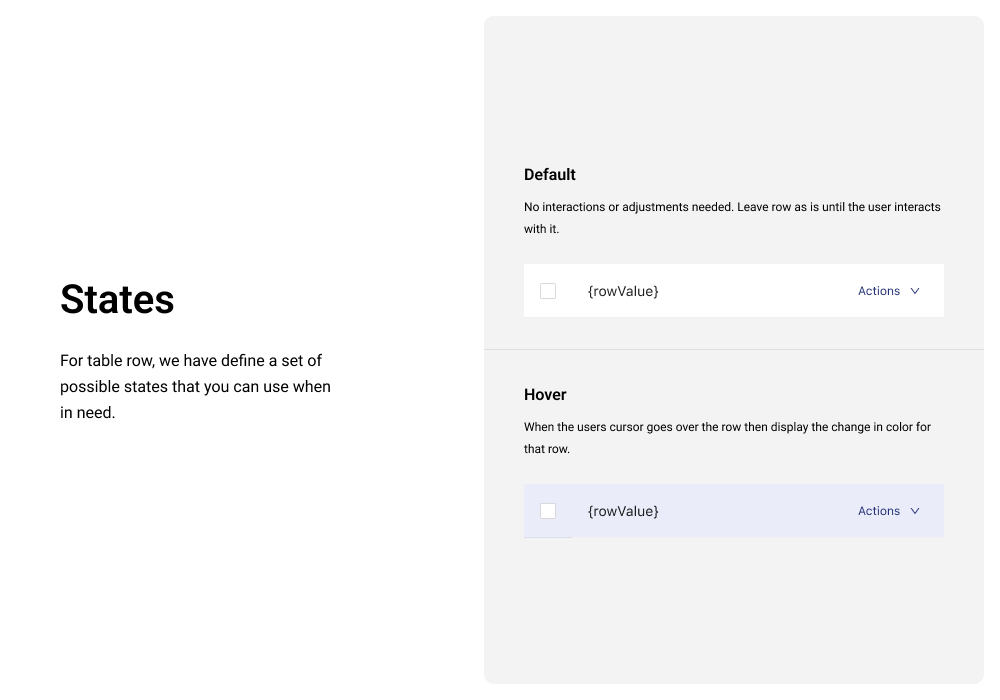
As our team and product grew, it became essential to ensure design consistency and scalability. I led the creation of the Wholechain Design System, built on top of Ant Design and customized to reflect our brand identity.
WHAT I DID
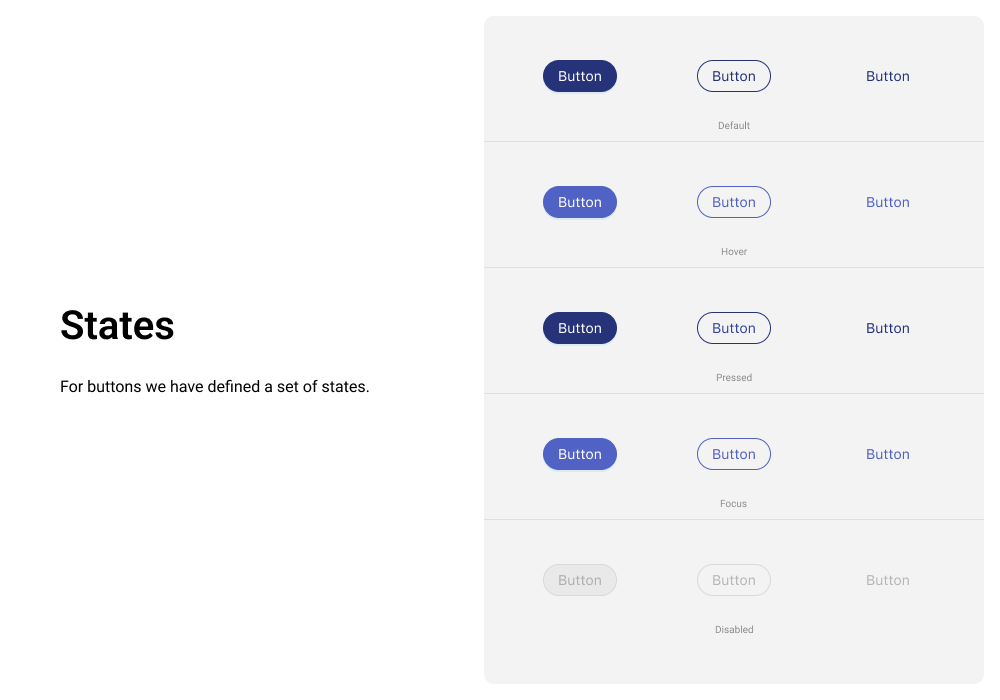
- Defined visual foundations — color, spacing, typography, interaction states
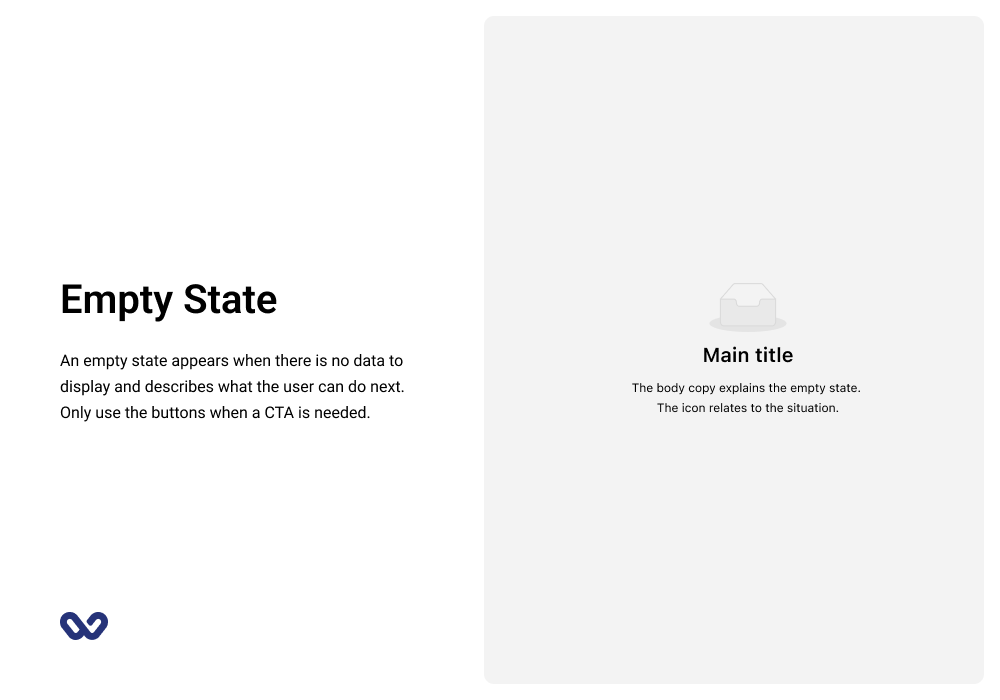
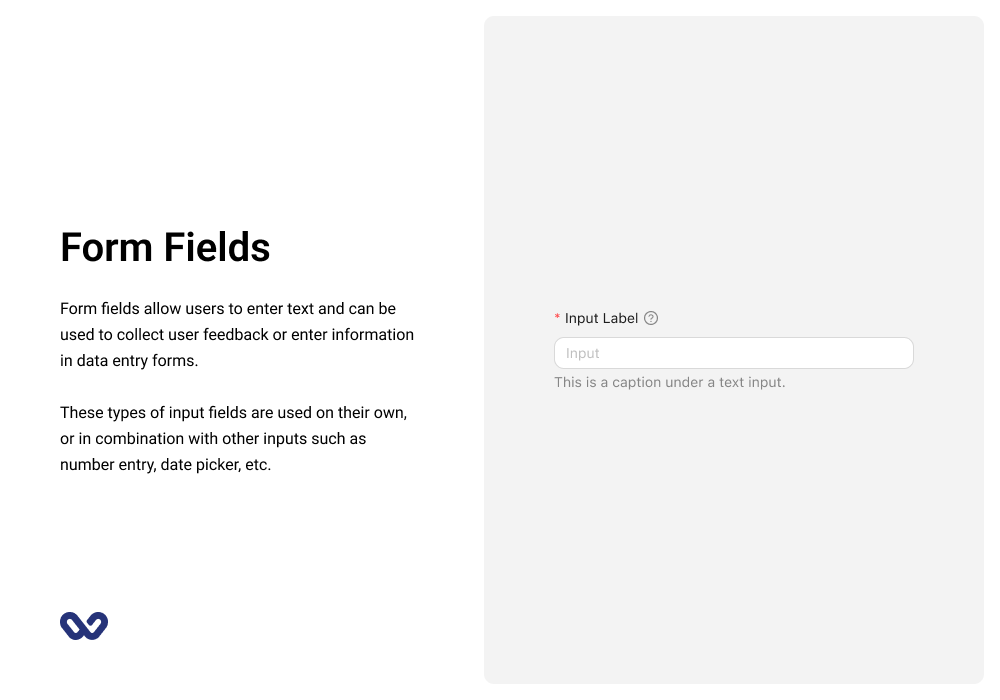
- Customized Ant Design components at a global level to match Wholechain’s look and feel
- Documented clear usage guidelines and component behaviors for developers
- Created a developer-facing style guide outlining design principles, component logic, and interaction patterns
IMPACT
This system became the single source of truth for design and implementation. It reduced inconsistencies, streamlined design-to-dev handoff, and improved the speed of product iterations across the company.
Expanding the Platform
After launching the redesigned app, I continued to lead design for new features and products within the Wholechain ecosystem, including Sourceview, our supply chain transparency tool.
HIGHLIGHTS
Designed end-to-end user flows for new
modules and dashboards
Collaborated with cross-functional teams to refine requirements and interactions
Maintained a consistent visual and interaction language across evolving features
Improved internal processes by introducing structure to design documentation and requirements tracking
Enhancing Visibility and Engagement
Beyond product design, I also improved the discoverability and user engagement of Wholechain’s digital presence. The company now receives consistent inbound leads and user signups through the website, with strong feedback on clarity and user experience.
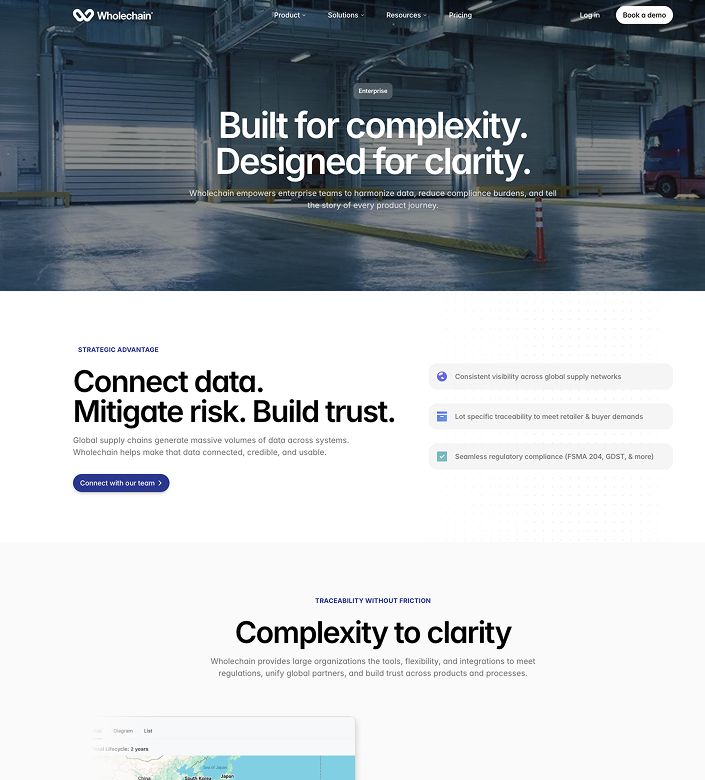
Implemented SEO on our site, resulting in more signups
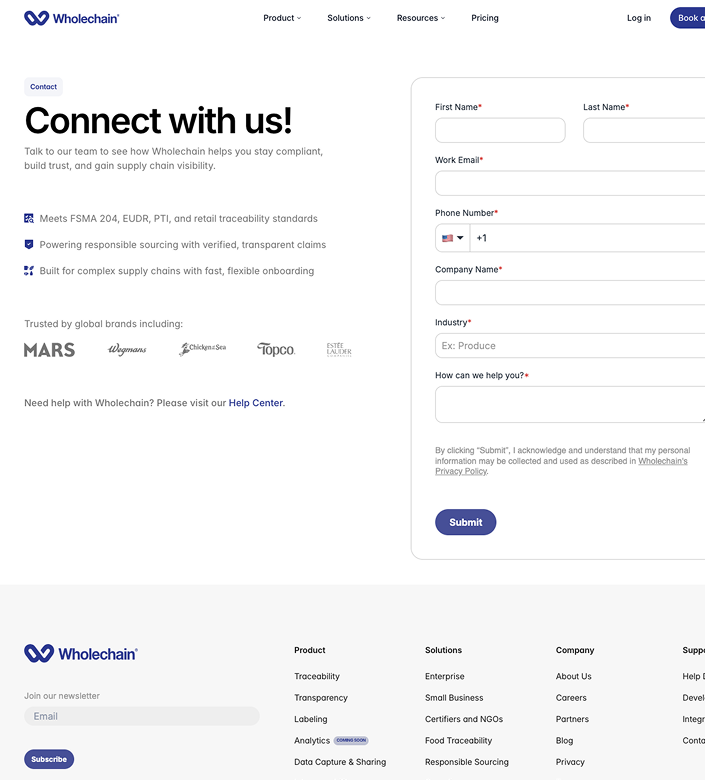
Integrated HubSpot for demo requests and client outreach
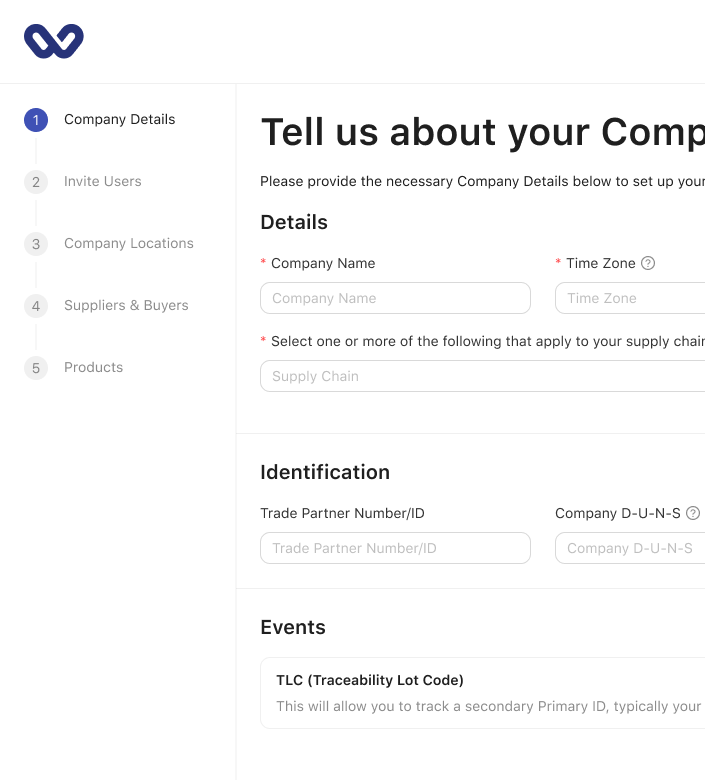
Ongoing refinements to improve the signup & conversion hooks
Impact and Results
01 Positive feedback on product intuitiveness, clarity, and simplicity
02 Increased user engagement and demo requests following SEO and UX improvements
03 Strong collaboration between design and engineering through shared systems and documentation
04 Established consistent design and process standards across multiple projects
Evolving My Process | How I Use AI in Design Today
In my recent work, I’ve integrated AI as a tool to enhance early-stage exploration and communication—not to replace design, but to speed up alignment. I use AI to quickly visualize concepts while discussing ideas with stakeholders, creating just enough fidelity for teams to understand the direction without requiring full production-level design.
AI also supports faster internal testing and iteration, especially when I need lightweight prototypes to communicate flows with product or engineering before investing developer time. That said, AI isn’t a magic shortcut; there are moments where I can prototype faster and with more precision myself. Knowing when to use AI and when not to has become part of my design judgment.
For me, AI is most valuable as a strategic accelerant—a way to communicate clearly, move faster, and get teams aligned earlier, while ensuring the human-centered design work remains firmly in my hands.
My Role in Wholechain’s Growth
Over time, I helped build not only the product but also the design culture — introducing structure, documentation, and process to support a growing team. My role evolved from redesigning the app to shaping the way design and development collaborate at Wholechain.
Working at Wholechain has taught me how to design within ambiguity — to build clarity and structure where there was none.
I’ve learned how to translate business direction into design systems, advocate for user experience in cross-functional discussions, and create scalable foundations that make collaboration easier as the company grows.
FUTURE OPPORTUNITIES
As with many fast-moving startup environments, our pace required us to prioritize shipping value quickly and learning in real time. Now that the platform has grown and matured, there are meaningful opportunities to deepen the UX foundation and strengthen long-term usability. If I were evolving Wholechain today, I would focus on:
Expanding User Research and Validation
Earlier in the project, we often moved quickly to keep pace with product demands. With more time and resources, I would layer in more formal research cycles, including generative interviews, experience mapping, and targeted usability testing to ensure we fully understand the nuances of each user group.
Strengthening Continuous Usability Testing
As new features have been added, we’re starting to uncover gaps in mental models, clarity, and expectation-setting. A more consistent cadence of evaluative testing—especially with supply chain stakeholders—would help us proactively identify friction and refine interactions before they scale.
Revisiting Core Flows with a Systems Lens
Over time, fast-paced additions can create complexity in the user journey. I would take the opportunity to step back and reassess the foundational workflows, ensuring the experience remains cohesive, intuitive, and aligned with how users actually think and operate.
Refining the Design System for Consistency and Speed
As the product footprint has expanded, so has the variety of UI patterns. I’d focus on bringing more consistency, clarity, and hierarchy to the design system, enabling more efficient development and a more unified user experience across the platform.
Using Data to Drive Iterative Improvements
With more analytics in place, we could better understand where users slow down, abandon tasks, or require support. These insights would help prioritize high-impact UX refinements and align product evolution with measurable user needs.
This perspective reflects how product design naturally evolves as startups grow. These opportunities excite me because they build on top of the strong foundation we created and would further elevate Wholechain’s usability, clarity, and long-term scalability.
Thanks for stopping by! Explore more if you are interested :)
LET'S CONNECT
LinkedIn
+1 904.501.9003
athenagiani@gmail.com